
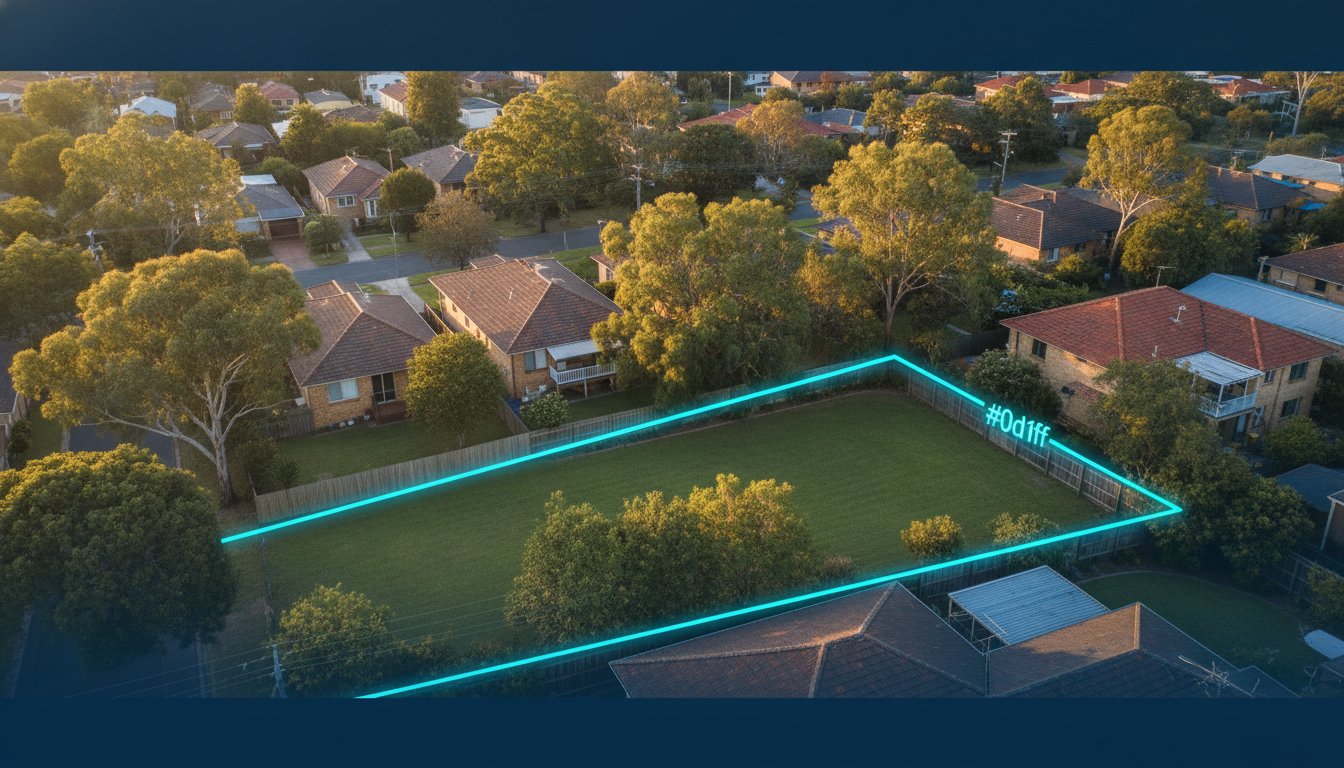
Imagine discovering that the garden you’ve nurtured for a decade actually sits on your neighbor’s title, all because of a misplaced fence. This realization often brings a wave of anxiety about property value and the daunting prospect of a dispute in the Land and Environment Court. Understanding the surveyor’s role in property disputes nsw is essential for any homeowner who values their property’s integrity. At Hill & Blume, we’ve spent over ninety years translating historical records into physical certainty, helping neighbors move from confusion to clarity through expert precision.
You deserve the confidence that comes with a legally defensible boundary and a restored sense of community. It’s easy to mistake physical “occupation lines” for true legal titles, but only a Registered Surveyor can provide the expert evidence required to settle these matters permanently. Clarity is your greatest asset. This guide explores how definitive surveying protects your rights, the importance of expert witness testimony, and the practical steps for mediation or NCAT. We’ll show you how to resolve disagreements through professional stewardship and the calm authority of a verified plan.
Key Takeaways
- Understand why a Registered Surveyor is the only professional legally authorized to define and mark property boundaries in NSW.
- Discover how an Identification Survey serves as a definitive record of easements and encroachments to resolve neighbor disagreements.
- Learn about the surveyor’s role in property disputes nsw as an impartial expert witness capable of providing clarity in legal proceedings.
- Navigate the formal Boundary Determination process to achieve a final, binding decision through the Registrar-General.
- See how historical records and local expertise can uncover the physical evidence required to protect your property legacy.
Understanding the Surveyor’s Authority in NSW Property Disagreements
In New South Wales, the law is precise about who can define the limits of your land. While many professionals work with spatial data, only a Registered Land Surveyor holds the legal authority to mark or redefine a property boundary. The Surveying and Spatial Information Act 2002 creates a vital distinction here. A ‘land surveyor’ may possess the technical skills for measurement, but a ‘Registered Land Surveyor’ carries the statutory weight and professional accountability required for legal certainty. This registration isn’t just a title; it’s a seal of quality that ensures your property’s boundaries are defined with the precision the law demands.
One of the most persistent myths in property ownership is that your fence represents your legal title. In reality, fences are often markers of convenience rather than accuracy. They move over decades due to soil shift, DIY repairs, or simple historical guesswork. When you engage with the surveyor’s role in property disputes nsw, you’re looking beyond the timber and wire to find the “truth” of the land. Our surveyors carry professional indemnity insurance, providing you with a layer of protection and an assurance that our findings are backed by the full weight of our professional liability.
The Legal Weight of a Registered Surveyor
The Real Property Act 1900 serves as the cornerstone for boundary definitions in our state. Under this framework, a surveyor’s report is far more than a simple diagram. It’s considered ‘expert evidence’ by NSW courts and tribunals, including the Land and Environment Court. A Registered Surveyor is the statutory authority for land measurement in NSW, serving as an impartial officer who translates complex legal descriptions into physical reality. This impartiality is why our findings are often the final word in de-escalating neighbor tensions before they reach a costly legal boiling point.
Historical Context vs. Modern Precision
The history of Surveying in Australia is deeply rooted in the Torrens Title system, which relies on deposited plans and meticulously kept field notes. At Hill & Blume, we’ve curated an archive spanning over 90 years. This legacy allows us to locate “lost” boundary pegs and historical markers that others might overlook, blending traditional craftsmanship with modern technology. As the industry moves toward all-digital survey standards by July 1, 2026, we continue to bridge the gap between these foundational records and high-definition digital precision. You can explore our specialized boundary and identification services to see how we apply this expertise to protect your property rights.
The Identification Survey: Your Primary Tool for Dispute Resolution
When a disagreement arises over a boundary, emotions often cloud the facts. An Identification Survey, often called an “Ident,” acts as the definitive “state of play” for all parties involved. It provides a clear, objective snapshot of how your property relates to its legal title. This document is central to the surveyor’s role in property disputes nsw, offering a baseline of truth that moves the conversation from hearsay to evidence. By mapping the relationship between physical structures and registered boundaries, it creates a shared reality that both neighbors and legal counsel can rely upon. It’s the first step in de-escalating a conflict because it replaces “I think” with “the record shows.”
Many homeowners worry about “adverse possession” or “squatter’s rights,” fearing a neighbor might claim land simply because a fence has been in the wrong place for years. In New South Wales, the Torrens Title system provides significant protection against such claims. Unless the land is “Old System,” which is increasingly rare, the register is generally paramount. Understanding The Surveyor’s Authority in NSW helps clarify that a registered title is robust. An Ident report is your primary shield against unfounded land claims, ensuring your property’s market value remains intact by resolving these “clouds” on the title before you list the home for sale.
What an Identification Report Reveals
An Identification Survey is a comprehensive health check for your property’s legal standing. It doesn’t just look at the dirt; it examines every structural element that interacts with your perimeter. The report focuses on three critical areas:
- Detection of encroachments: Identifying if fences, eaves, gutters, or retaining walls cross the boundary line.
- Visualization of easements: Ensuring you understand where utility providers or neighbors have legal rights to access or use your land.
- Professional Certification: A signed, professional opinion that carries weight in negotiations and courtrooms.
This report isn’t just a map. It’s a legal certification of your property’s footprint that neighbors and lawyers must respect. It provides the craftsmanship and detail needed to protect your most valuable asset.
When to Order an Identification Survey
Timing is everything. Ordering an Ident during pre-purchase due diligence prevents you from inheriting a neighbor’s encroachment or a structural headache. It’s also a prudent step before erecting a new fence or starting a renovation that sits close to the line. A small error in a retaining wall location can lead to an expensive dispute years later. You can view our full range of offerings on Hill & Blume’s services page to see which survey fits your specific project. Understanding the surveyor’s role in property disputes nsw allows you to take control of the situation through data rather than conflict. Protecting your property’s legacy starts with certainty. If you’re currently facing a boundary question, it’s often best to speak with our team to establish the facts before they escalate.
Navigating the Formal Boundary Determination Process (Part 14A)
When a boundary disagreement persists despite an Identification Survey, the Real Property Act 1900 provides a structured legal path known as a Part 14A Boundary Determination. This is the formal “high court” of property limits in New South Wales. It’s a process where the Registrar-General acts as the final arbiter to settle the matter once and for all. You can’t simply request this determination without preparation; you must arrive with evidence in hand. A private survey is the mandatory first step, ensuring that the Registrar-General has a professional, technical basis upon which to make a legally binding decision. The surveyor’s role in property disputes nsw at this stage is to transform your personal concerns into a technical submission that meets the exacting standards of the NSW Land Registry Services (LRS).
The landscape of property data is changing rapidly. By mid-2026, the LRS will have completed its transition to mandatory digital lodgement for all survey plans. This shift eliminates the ambiguity of hand-drawn historical records, replacing them with high-precision digital files that are easily accessible and virtually immutable. For a homeowner in a dispute, this means that a determination made today will be anchored in a digital framework that protects your property rights for generations. Precision now prevents the heartbreak of future litigation.
The Surveyor’s Role in Lodging a Determination
Our work begins in the archives. We gather the “best available evidence,” which often involves hunting for original iron pipes, drill holes, or stone marks hidden beneath decades of landscaping. At Hill & Blume, we utilize our 90-year legacy of field notes to find these critical historical anchors. We then prepare a plan of survey that translates these physical findings into the rigorous digital format required by the LRS. We don’t just measure land; we act as your technical liaison, navigating the complex procedural requirements of the Registrar-General so you don’t have to face the bureaucracy alone.
Costs and Timelines for Formal Resolution
A formal determination is a thorough process, and it requires patience. While private mediation might take weeks, a formal LRS determination often takes several months as the Registrar-General must notify all affected parties and review the evidence. You’ll need to account for the current LRS lodgement fees, which are updated annually in July. While this path involves a greater initial investment than a casual chat over a fence, it provides a definitive legal resolution that an informal agreement cannot match. This investment secures your property’s market value and provides the “calm authority” needed to end a dispute permanently. If you’re ready to move toward a final resolution, you can explore our boundary and identification survey options to begin building your evidence base.
The Surveyor as Expert Witness and Mediator
Beyond the physical act of measuring land, the surveyor’s role in property disputes nsw encompasses a higher duty of stewardship. When tensions rise between neighbors, a Registered Surveyor steps in as a neutral arbiter of facts. We provide an impartial “truth” that can de-escalate emotional conflicts before they spiral into costly litigation. By focusing on the legal title rather than personal grievances, we offer a path toward resolution grounded in evidence. Hiring a specialist early in the process is often a wise financial decision; the cost of a precise survey is a fraction of the fees required for a barrister’s intervention in the Land and Environment Court later.
A professional survey provides a neutral framework for negotiation. You might find that a simple peg-out, where we physically mark the boundary in the presence of both parties, is enough to settle a disagreement. It’s important to understand that a surveyor’s primary duty is to the land and the court, rather than the person paying the invoice. This inherent impartiality is exactly what gives our reports their power. When both neighbors see the same markers backed by a 90-year archive of data, the room for argument often disappears, replaced by a shared understanding of the facts.
De-escalating Neighbour Disputes
Conflict often thrives in the absence of certainty. We use our detailed findings to create a calm authority that settles disputes before they reach a lawyer’s desk. By acting as a mediator through measurement, we help preserve the long-term relationship you have with your community. A professional boundary survey doesn’t just define land; it restores peace of mind by providing a definitive answer that both parties can accept as final.
Supporting Legal Professionals
If a dispute does reach the NSW Civil and Administrative Tribunal (NCAT) or the Land and Environment Court, the quality of your technical evidence is paramount. We prepare “Expert Witness” reports that comply strictly with the Uniform Civil Procedure Rules (UCPR). These documents are designed to withstand cross-examination and provide the court with the clarity it needs to make a ruling. Our team often collaborates with property lawyers to ensure every technical detail is aligned with the broader legal strategy. You can learn more about how these detailed assessments protect your property in our guide to Boundary Surveys in Sydney: A Homeowner’s Guide. Whether providing oral evidence in the witness box or drafting a technical brief, our role is to represent the integrity of the land with calm confidence.
If you’re currently navigating a complex boundary issue, contact our expert team to secure the definitive evidence you need to resolve the matter with integrity.
Securing Your Property Legacy with Hill & Blume’s Expertise
Your home is more than an asset. It represents the foundation of your family’s future and a physical testament to the life you’ve built within its boundaries. While boundary disagreements can feel like a sudden threat to that stability, they are ultimately solvable challenges when met with the right expertise. Understanding the surveyor’s role in property disputes nsw is about more than technical measurement; it’s about engaging a partner who values the long-term integrity of your land as much as you do. Accurate surveying today ensures that the value you’ve built is protected for the next generation, removing the cloud of uncertainty from your title once and for all.
Disputes are common, but they don’t have to be permanent. By defining the surveyor’s role in property disputes nsw through the lens of professional stewardship, we provide the clarity needed to move forward. Our boutique approach ensures that your specific situation receives the detail-oriented attention it deserves. We believe in quality over volume, fostering a sense of calm confidence that reassures you that your property rights are in expert hands. You can reclaim the peace of mind that comes with a verified, legally defensible boundary.
The Hill & Blume Difference
What distinguishes our service is a deep-rooted connection to the local landscape. Founded in 1932, Hill & Blume brings over 90 years of legacy to every consultation. This history provides us with a curated archive of historical survey records across Sydney, Newcastle, and the Central Coast that many larger firms simply cannot access. Our team of Registered Surveyors understands the intersection of modern law and historical intent, ensuring your dispute is resolved with precision. We offer:
- Access to extensive historical field notes and records to find lost markers.
- A team that prioritizes depth of relationship and personal communication.
- A commitment to craftsmanship that treats every boundary as a vital piece of local history.
Next Steps: Reclaiming Your Peace of Mind
Taking the first step toward resolution is simpler than you might imagine. When you’re ready to seek clarity, gathering your property’s Title details and Deposited Plan (DP) numbers will allow us to begin our research immediately. Whether you require a Boundary Survey to settle a fence line or an Identification Survey for a complex legal matter, we’re here to guide you through the process with transparency and care. Let us help you protect your property’s unique charm and legal standing.
The path to a resolved dispute starts with professional certainty. Contact Hill & Blume to resolve your property dispute today.
Restoring Certainty to Your Property Boundaries
A property dispute doesn’t have to define your experience as a homeowner. By understanding the surveyor’s role in property disputes nsw, you move from a place of anxiety to one of absolute technical clarity. Whether it’s through a detailed Identification Survey or a formal Part 14A determination, the path to resolution is paved with evidence rather than emotion. You deserve the peace of mind that comes with knowing exactly where your legacy begins and ends.
Just as a surveyor defines the physical limits of an estate, other professionals help manage its final transitions; for those in the United States, a funeral home Brooklyn NY can offer the same level of professional guidance and certainty for family legacies.
At Hill & Blume, we bring over 90 years of Sydney surveying excellence to every project. Our Registered Surveyors combine deep NSW legal expertise with a boutique, personal touch that larger firms often overlook. We specialize in navigating complex residential disagreements with the calm authority your property deserves. Let us help you resolve the confusion and protect your investment for the years to come.
Secure your property boundaries with a consultation from Hill & Blume. Your home’s integrity is our priority, and we look forward to helping you move forward with confidence.
Frequently Asked Questions
Can a Registered Surveyor’s decision be challenged in court?
Courts treat a Registered Surveyor’s report as expert evidence, which carries significant weight in any legal proceeding. While a neighbor can challenge the findings, they would typically need to engage their own surveyor to provide a conflicting professional opinion based on alternative evidence. The surveyor’s role in property disputes nsw is to provide an impartial technical truth that the court can rely upon, making a successful challenge rare without substantial technical proof.
How much does a boundary survey cost in NSW for a dispute?
The investment required for a survey depends on several unique variables, including the age of the property, the clarity of historical records, and the terrain’s complexity. We view each project as a bespoke piece of craftsmanship rather than a commodity. Investing in professional certainty now is often far more cost-effective than the long-term financial and emotional expense of an unresolved legal conflict with a neighbor.
Is a fence always built exactly on the property line?
Fences are rarely perfectly aligned with the legal property line. They are often erected based on convenience, existing vegetation, or historical guesswork by previous owners who didn’t have access to modern precision. A fence is merely a physical barrier; it doesn’t change the underlying legal title, which is why a professional survey is essential to distinguish the “occupation line” from the true boundary.
What happens if a surveyor finds an encroachment on my property?
If an encroachment is identified, it’s clearly documented in your survey report with precise measurements showing exactly how far the structure crosses the line. This report serves as your primary evidence for mediation or formal legal action. Depending on the severity, you might choose to seek a boundary adjustment, negotiate the removal of the structure, or establish a formal easement to protect your property’s value.
Can I use a survey from 20 years ago to settle a dispute today?
A survey from 20 years ago is generally insufficient for a modern dispute. Physical markers can be lost or moved over time, and the Surveying and Spatial Information Regulation 2024 introduced updated standards for accuracy and digital preparation. A current, compliant report ensures your evidence is legally defensible and reflects the most recent regulatory requirements in NSW.
What is the difference between a boundary survey and an identification survey?
A boundary survey focuses on physically marking the corners and lines of your land on the ground with pegs or marks. An identification survey goes further by showing the position of buildings, fences, gutters, and eaves relative to those boundaries. The surveyor’s role in property disputes nsw often centers on the identification survey because it highlights the specific structural conflicts causing the disagreement.
Do I need my neighbour’s permission to hire a surveyor?
You don’t need your neighbor’s permission to engage a surveyor to define your own property boundaries. Registered Surveyors in NSW have certain statutory rights under the Surveying and Spatial Information Act 2002 to enter neighboring land if it’s necessary to carry out their professional duties. We always prioritize a respectful and professional approach to ensure the process remains as calm and neighborly as possible.
How long does it take for a surveyor to complete a dispute-related report?
Most dispute-related reports take between two and four weeks to finalize from the initial site visit. This timeframe allows us to conduct thorough historical research in our 90-year archive and perform the meticulous field measurements required for a defensible report. Complex disputes involving missing historical markers or difficult terrain may require additional time to ensure the highest level of detail and accuracy.
Disclaimer
The information provided in articles published on this website is for general informational purposes only. While we make every effort to ensure the accuracy, completeness, and timeliness of the content, the material is based on our understanding of the industry at the time of writing and may not reflect the most current developments, regulations, or standards. All opinions expressed in our articles are those of the respective authors and do not necessarily represent the official position of the website or its affiliates. The content should not be considered professional, legal or technical advice, and should not be relied upon as a substitute for consultation with qualified professionals